

Skin Health · 4 min read
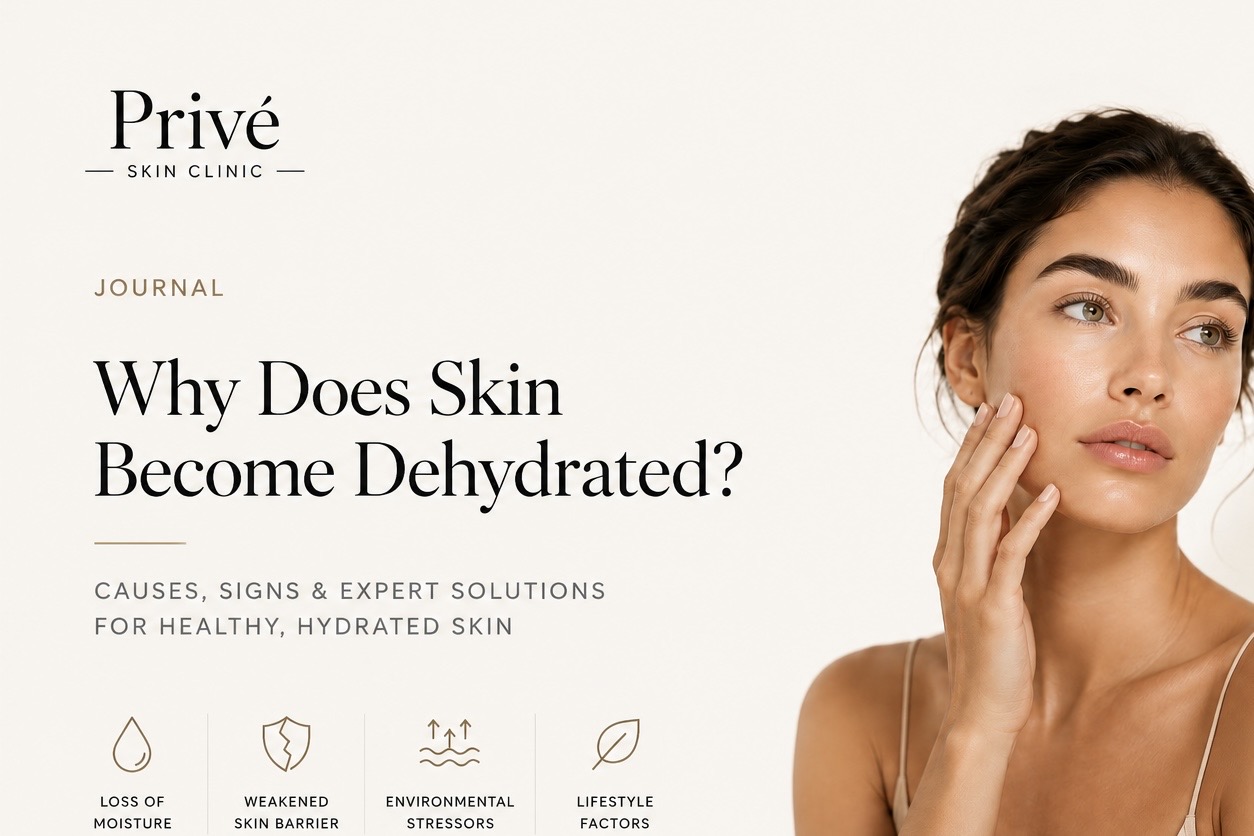
Why Does Skin Become Dehydrated?
Learn why skin becomes dehydrated, the signs to look for, and how skincare, lifestyle changes and professional treatments can help restore a healthy, radiant complexion.
Why Does Skin Become Dehydrated?
Dehydrated skin is one of the most common skin concerns, yet it is often misunderstood. Many people assume they have dry skin when, in reality, their skin is lacking water rather than oil.
Dehydration can affect all skin types, including oily and combination skin, and may leave the complexion looking dull, tight, tired and less radiant.
Understanding what causes skin dehydration is the first step towards restoring a healthy, balanced complexion.
What Is Dehydrated Skin?
Dehydrated skin refers to a lack of water within the skin.
Unlike dry skin, which is a skin type characterised by reduced oil production, dehydrated skin is a temporary condition that can affect anyone regardless of their skin type.
Even oily skin can become dehydrated.
When the skin lacks sufficient water, its ability to function optimally may be compromised, resulting in changes to texture, appearance and comfort.
Dehydrated Skin vs Dry Skin
Although the terms are often used interchangeably, they are not the same.
Dry Skin
Dry skin is a skin type that naturally produces less oil (sebum).
Common characteristics include:
- Flaking
- Rough texture
- Persistent dryness
- Increased sensitivity
Dehydrated Skin
Dehydrated skin is a condition caused by insufficient water content.
Common characteristics include:
- Tightness
- Dullness
- Fine dehydration lines
- Increased sensitivity
- Loss of radiance
- Tired-looking complexion
It is possible to have oily yet dehydrated skin at the same time.
Common Causes of Dehydrated Skin
1. Environmental Factors
External conditions can significantly impact the skin’s moisture levels.
Common contributors include:
- Cold weather
- Wind exposure
- Air conditioning
- Central heating
- Low humidity environments
These factors can increase water loss from the skin, leaving it feeling dry and uncomfortable.
2. Compromised Skin Barrier
The skin barrier helps retain moisture while protecting against environmental aggressors.
When the barrier becomes weakened, water can escape more easily through a process known as transepidermal water loss (TEWL).
Common causes of barrier disruption include:
- Over-exfoliation
- Harsh skincare products
- Excessive cleansing
- Inappropriate active ingredients
3. Inadequate Hydration
While drinking water alone will not instantly transform the skin, overall hydration remains important for healthy skin function.
Insufficient fluid intake may contribute to dehydration throughout the body, including the skin.
4. Ageing
As we age, the skin’s ability to retain moisture gradually declines.
Several factors contribute to this process, including:
- Reduced natural moisturising factors
- Slower cell turnover
- Declining collagen production
- Changes in skin barrier function
These changes can make dehydration more noticeable over time.
5. Lifestyle Factors
Daily habits can have a significant impact on skin hydration.
Common factors include:
- Poor sleep quality
- Chronic stress
- Smoking
- Excessive alcohol consumption
- Nutritional deficiencies
These factors may impair the skin’s natural repair and hydration processes.
Signs Your Skin May Be Dehydrated
Common signs include:
- Tightness after cleansing
- Dull or lacklustre complexion
- Fine lines that appear more noticeable
- Increased sensitivity
- Rough texture
- Reduced radiance
- Makeup sitting unevenly on the skin
These symptoms can occur even when the skin appears oily.
How to Improve Dehydrated Skin
Optimise Your Skincare Routine
Supporting the skin barrier is essential.
Look for ingredients such as:
- Hyaluronic acid
- Glycerin
- Ceramides
- Panthenol
- Niacinamide
Avoid excessive exfoliation and harsh cleansing products that may further compromise the skin barrier.
Protect Your Skin Daily
Daily sun protection is one of the most important steps for maintaining healthy skin.
A broad-spectrum SPF helps protect against environmental damage that can contribute to dehydration and premature ageing.
Support Skin Health From Within
Healthy skin is influenced by overall wellbeing.
Focus on:
- Adequate hydration
- Quality sleep
- Balanced nutrition
- Regular exercise
- Stress management
These habits can support the skin’s natural regenerative processes.
Professional Skin Treatments
For persistent dehydration or concerns about skin quality, professional treatments may help improve hydration and overall skin health.
Depending on your individual needs, suitable treatments may include:
- Skin Boosters
- Polynucleotides
- Mesotherapy
- Microneedling
- Exosome Therapy
A personalised consultation can help determine the most appropriate approach for your skin.
Final Thoughts
Dehydrated skin is a common condition that can affect anyone, regardless of age or skin type. Environmental factors, ageing, lifestyle habits and a compromised skin barrier can all contribute to reduced skin hydration.
By understanding the underlying causes and taking a comprehensive approach to skincare and skin health, it is possible to improve hydration, restore radiance and support healthier-looking skin.
Looking to Improve Skin Hydration?
At Privé Skin Clinic, we offer personalised consultations and advanced skin treatments designed to improve hydration, skin quality and overall skin health.
Whether you are experiencing dullness, dehydration or loss of radiance, our team can help create a tailored treatment plan to support your skin goals.
Book a consultation with Privé Skin Clinic in Knightsbridge to discover the most suitable treatments for your skin.
Frequently asked questions
Why does skin become dehydrated?
Skin becomes dehydrated when it loses more water than it retains. This can be caused by environmental factors, excessive sun exposure, air conditioning, harsh skincare products, ageing, stress, poor hydration and a weakened skin barrier. Unlike dry skin, dehydration is a temporary condition that can affect all skin types, including oily skin.
What causes dehydrated skin?
Dehydrated skin is commonly caused by insufficient water intake, excessive caffeine or alcohol consumption, UV exposure, cold weather, indoor heating, air conditioning, over-exfoliation and using skincare products that strip the skin’s natural protective barrier. Lifestyle, hormones and certain medications can also contribute.
Can oily skin become dehydrated?
Yes. Oily skin can still lack water. Many people mistake dehydration for excess oil production, leading them to use harsh products that worsen the problem. When the skin becomes dehydrated, it may actually produce more oil to compensate, creating an oily yet dehydrated complexion.
What are the signs of dehydrated skin?
Common signs include tightness, dullness, fine dehydration lines, rough texture, increased sensitivity, uneven skin tone and makeup that sits poorly on the skin. Some people also notice that their skin feels oily while still feeling tight or uncomfortable.
How can I tell if my skin is dry or dehydrated?
Dry skin is a skin type caused by a lack of natural oils, whereas dehydrated skin is a temporary condition caused by a lack of water. Dry skin usually feels consistently rough and flaky, while dehydrated skin often feels tight, appears dull and may improve with hydration and appropriate skincare.
How can I rehydrate dehydrated skin?
Rehydrating the skin involves increasing water retention while repairing the skin barrier. Daily hydration, gentle skincare, moisturisers containing hyaluronic acid and ceramides, sun protection and professional treatments such as Skin Boosters and Polynucleotides can all help restore healthy hydration levels.
What is the best treatment for dehydrated skin?
The most suitable treatment depends on the severity and cause of dehydration. Professional treatments such as Skin Boosters, Polynucleotides, Medical Facials and personalised skincare plans can significantly improve hydration, strengthen the skin barrier and restore a healthier, more radiant complexion.
Does dehydration cause wrinkles?
Dehydrated skin can make fine lines and wrinkles appear more noticeable because the skin lacks water and elasticity. Although dehydration does not directly cause permanent wrinkles, restoring hydration can help the skin appear smoother, plumper and more youthful.
Can drinking more water improve dehydrated skin?
Staying hydrated is important for overall health, but drinking more water alone may not fully correct dehydrated skin. Maintaining a healthy skin barrier with appropriate skincare and professional treatments is often equally important for improving skin hydration.
How can I prevent my skin from becoming dehydrated?
Preventing dehydration involves protecting the skin barrier through daily SPF, gentle cleansing, regular moisturising, avoiding excessive exfoliation, staying hydrated and using skincare suited to your skin type. Professional skin assessments can also help identify factors contributing to ongoing dehydration and recommend personalised treatment.
Mentioned in this article
Related treatments
Keep reading
Science
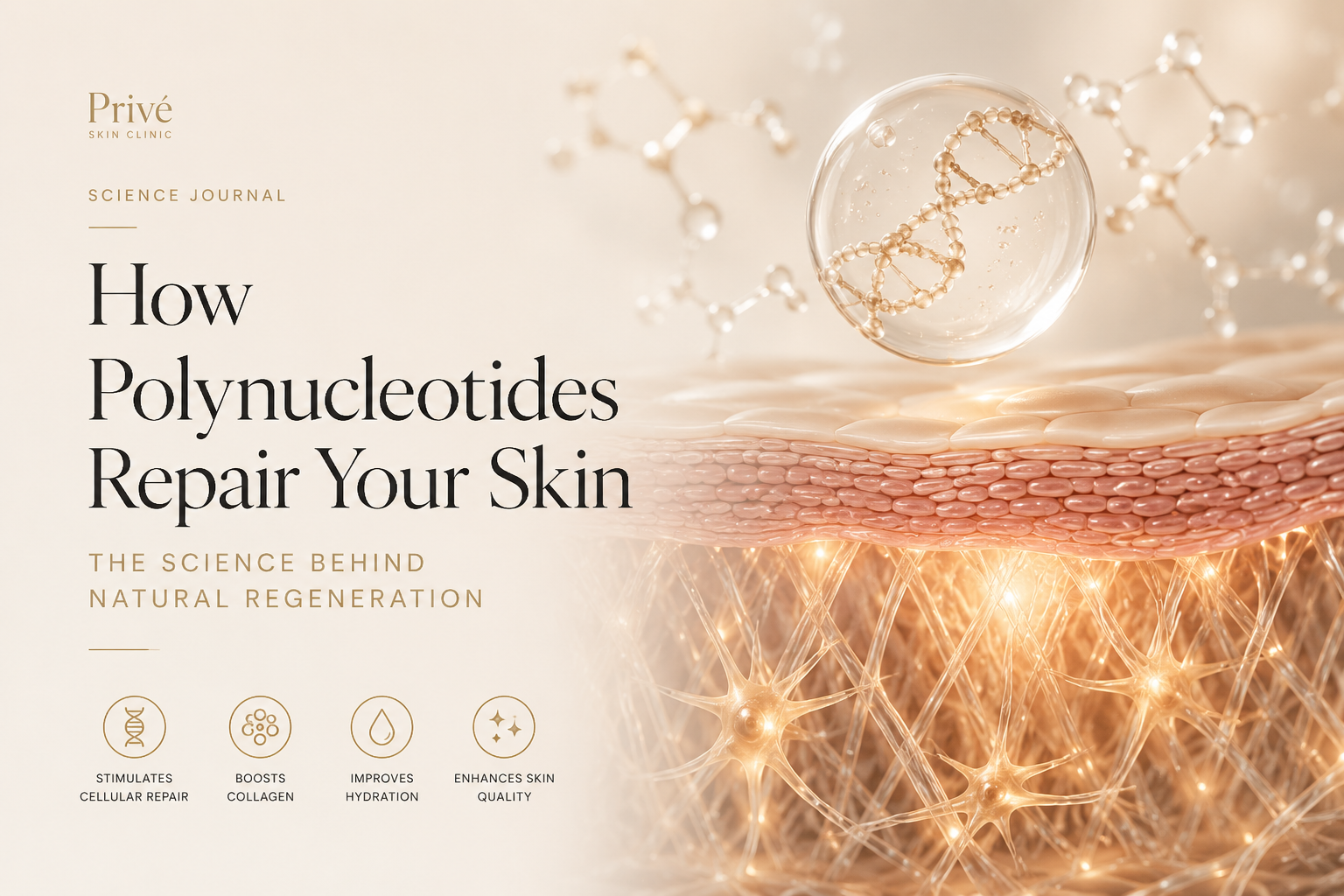
How Polynucleotides Repair Your Skin
Discover how polynucleotides repair your skin by stimulating natural regeneration, collagen production and healthier, more youthful-looking skin.

Weight Management
Mounjaro for Weight Loss UK: Complete Patient Guide | Privé
Considering Mounjaro for weight loss? Discover how it works, who it’s suitable for, expected results, side effects and everything you need to know before starting treatment with expert clinician-led guidance from Privé.
From the clinic
Considering a consultation?
Thirty minutes, complimentary, at our Knightsbridge clinic. We listen first, recommend honestly, and only suggest treatment when it's right for you.