Injectables
Dermal fillers
Hyaluronic-acid filler, used the way it should be: subtly, structurally, in millilitres not syringes.
What it is
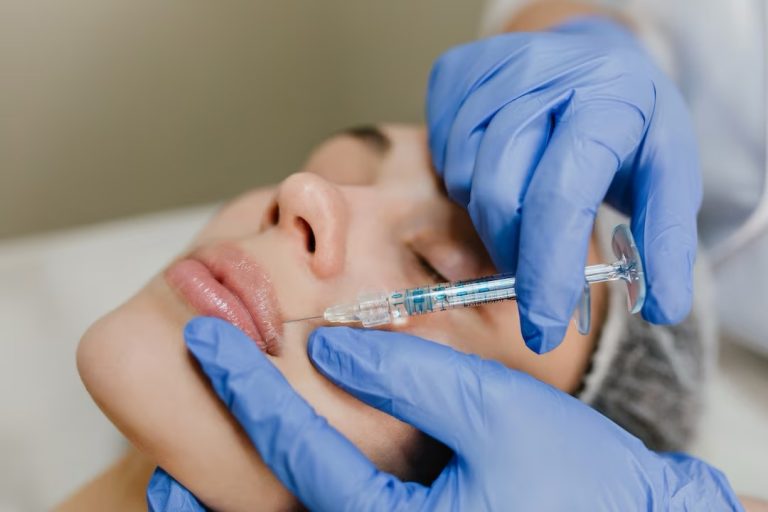
Dermal fillers are gels of hyaluronic acid — a sugar molecule that already exists in your skin — placed precisely beneath the surface to restore lost volume, add gentle structure or rebalance proportions. Hyaluronic acid binds water and is fully reversible, which is why we prefer it to anything permanent.
We work with established product lines (Juvederm, Restylane, Teosyal). The choice of product matters as much as the technique: a thicker gel for cheek and jaw structure, a softer one for the lip border, a refined one for the tear trough. We never use a single product for everything.
What it treats
- Lip volume, shape and definition
- Nasolabial lines from cheek to mouth corner
- Marionette lines from mouth corner to chin
- Cheek volume loss and contour
- Tear-trough hollows under the eye
- A weak or recessed chin
- Jawline definition
- Asymmetry from a previous bony injury or natural variation
How it works
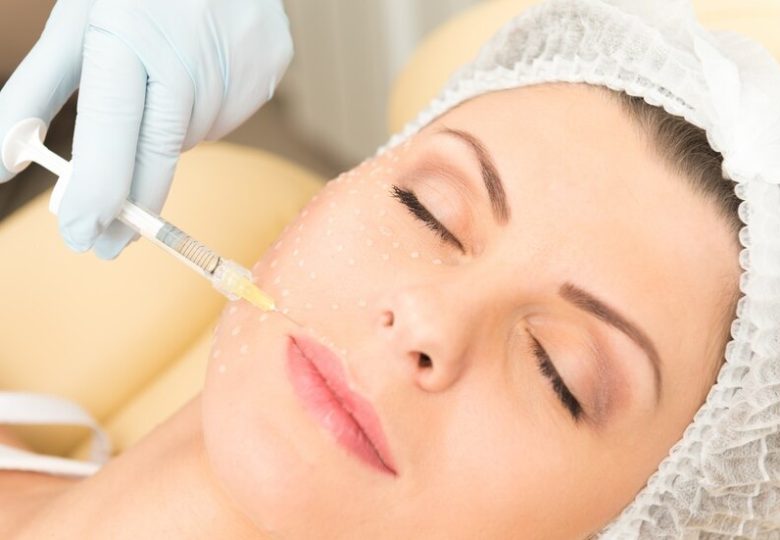
- 1 We map out the areas in your consultation with a wax pencil — you see exactly what we plan to treat and how much we plan to use.
- 2 Numbing cream sits on the skin for 15–20 minutes. Most products also contain lidocaine for in-the-moment comfort.
- 3 We inject with either a fine needle or a blunt cannula, depending on the area. The cannula is gentler around mobile areas like the lip border and tear trough.
- 4 We review the result with you in the mirror as we go. Nothing about this should be a surprise at the end.
- 5 A complimentary review at two weeks for top-ups, only if needed.
What to expect
Appointment time
45–60 minutes including numbing
Downtime
Minor swelling for 24–48 hours, occasional small bruise. Most clients return to work the same day or the next.
How it feels
Pressure rather than pain in most areas, thanks to topical numbing plus lidocaine in the product. Lips are the most sensitive area; tear troughs the most surprising (deep, dull pressure).
Aftercare
No make-up over the area for 12 hours. No vigorous exercise, alcohol, sauna or facials for 24 hours. Sleep slightly elevated the first night. Avoid dental work and flights for two weeks if possible.
Results visible
Immediate, with final settling at two weeks
How long they last
9–18 months depending on area, product and your metabolism. Lips usually 9–12; cheeks and jaw 12–18.
Is this right for you?
A good fit if
- You want to restore a feature that has changed (volume, shape) rather than build something new
- You're prepared to come back at the right interval rather than chasing a constant state
- You're comfortable with the result we agree on the day, not a moving target
Not the right time if
- You're pregnant or breastfeeding
- You have an active skin infection or cold sore in the area
- You're taking blood thinners (we can usually work around this with planning)
- You're chasing a look that isn't yours — we'll have a frank conversation if so
Price
From £380 per ml · Tear trough and Russian lip from £450 · Filler dissolving (hyalase) from £200
Final price confirmed in your complimentary consultation. Cancellation policy.
FAQs
How much filler do I need?
Less than you think. Most first-time lip enhancements use 0.5–1 ml total. A whole face restoration over a year might be 2–3 ml in total. We use what's needed and we tell you upfront.
Is it reversible?
Yes — hyaluronic-acid filler can be dissolved with an enzyme called hyaluronidase if you ever want it gone or it migrates. This is one of the main reasons we only use HA-based filler. Permanent fillers are not something we work with.
Will my lips look done?
Only if you ask them to. Our preferred starting point is a single millilitre, often less, to enhance the border and gently support the existing shape. We err on the side of subtle and welcome you back at two weeks if you'd like a touch more.
Why do tear troughs sometimes go wrong?
Because the technique is harder than it looks. The skin under the eye is thin and the area is unforgiving — wrong product, wrong plane, wrong volume and you get puffiness instead of brightness. We use a soft, low-viscosity product on a blunt cannula and stop early. If you've had work elsewhere that didn't settle well, we can usually dissolve and start again.
How long do lips last?
In our experience, 9–12 months on average. The body breaks filler down faster in mobile, high-blood-flow areas like the lips than in static areas like the cheek.
What's the Russian lip technique?
A more vertical injection pattern that emphasises lift and pout rather than volume. It works beautifully on naturally well-shaped lips that just want more height in the body of the lip. It is not a one-size-fits-all approach — most clients still suit a more conventional border-and-body refinement.
Bruising — how likely?
Mild swelling is universal for 24–48 hours. Visible bruising happens in roughly one in five cases, especially around the lip and tear trough. We take care to avoid surface vessels but can't promise none. Plan ahead if you've a public engagement.
Related treatments
Ready when you are
Start with a complimentary consultation.
Thirty minutes, in person, at Knightsbridge or Harley Street. We'll listen, look, and tell you honestly what we'd recommend — and what we wouldn't.