Considered care · 5 min read
What to ask before your first injectable appointment — anywhere
Twelve questions to take to any consultation, with an explanation of why each one matters and what you should be listening for in the answer.
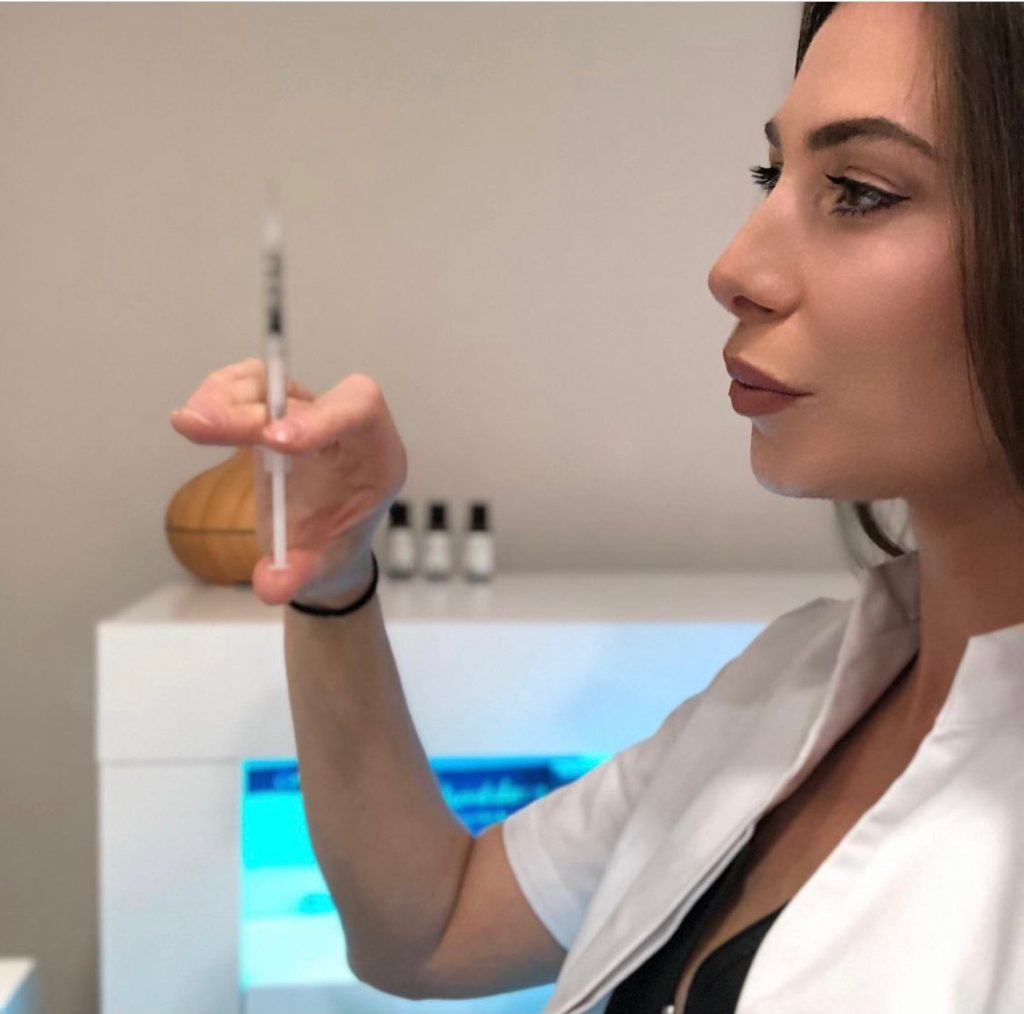
This is the kind of post I wish I’d been able to send my own friends a decade ago, before they walked into clinics with questions they didn’t quite know how to ask. It’s not aimed only at our clinic — I’d be delighted if you took this list to any aesthetic practitioner in London and used it to assess whether they’re the right one for you.
The aesthetics industry in the UK is, in 2026, still under-regulated. There are some excellent practitioners. There are also people injecting prescription medications who shouldn’t be. The single best thing you can do as a client is to walk in with a few specific questions, and to listen carefully to the answers.
Here are twelve. Take them with you.
1. Are you medically qualified, and how are you registered?
Injectable treatments using botulinum toxin require a prescription. In the UK, prescriptions can only legally be written by doctors, dentists, nurse prescribers, or pharmacist prescribers. Filler does not currently require a prescription, but practitioner regulation matters anyway.
You’re listening for: a clear, named registration body — GMC for doctors, NMC for nurses, GDC for dentists, GPhC for pharmacists. JCCP (Joint Council for Cosmetic Practitioners) is also a good sign. Hesitation, vagueness, or “I work with a prescriber” without naming them is a flag.
2. Who will prescribe my medication?
If the answer is “the practitioner doing the treatment,” and they’re medically qualified to prescribe, that’s straightforward. If the practitioner isn’t a prescriber, there should be a remote-prescribing prescriber who has reviewed your history. That practice is increasingly restricted by the GMC and NMC; the best clinics now have on-site prescribing.
You’re listening for: a clear, named prescriber who has actually reviewed your case. Not a generic “we have a doctor.”
3. What product are you using, and why this one?
There are many brands. Botox, Azzalure, Bocouture for anti-wrinkle. Juvederm, Restylane, Teosyal for filler. Each has slightly different properties, and a good practitioner will have a reasoned preference for the area they’re treating.
You’re listening for: brand named, manufacturer named (Allergan, Galderma, etc.), and a thoughtful answer about why that product suits this treatment. Generic answers like “the best one” are a flag.
4. Where is the product sourced?
UK aesthetic products should come from licensed UK distributors. Cheaper imports — sometimes from Eastern Europe, Turkey, or Korea — exist in the supply chain and are not regulated to the same standard.
You’re listening for: a UK-licensed distributor named (Allergan UK, Galderma UK, etc.) or a partnered UK pharmacy. Cagey answers, or anything that sounds like grey-market imports, are a real concern.
5. How will you manage swelling, asymmetry or bruising if it happens?
These things happen, even with excellent technique. The question isn’t whether they ever happen — it’s what the practitioner does when they do.
You’re listening for: a calm, specific answer. “We see you back in two weeks, included in the price.” “If there’s bruising, here’s what helps.” “If asymmetry persists after settling, we add a small unit at review at no charge.” Vague reassurance is a flag; specifics build trust.
The clinic that talks confidently about complications is almost always the clinic that has fewer of them.
6. What’s your complication protocol?
Specifically: if a filler vascular event happens (rare but real), what happens next? They should be able to tell you. Hyaluronidase on premises. A protocol for ophthalmology referral if the eye is involved. Direct phone access for 48 hours after treatment.
You’re listening for: hyaluronidase, training in its use, a clear plan. If they look confused or change the subject, leave.
7. How will the consultation work, and do I have to book a treatment today?
A proper consultation takes 20–45 minutes and involves a real conversation about your medical history, what you’re hoping for, what’s realistic, and what the alternatives are. You should never feel pressured to book the treatment in the same appointment as the consultation.
You’re listening for: complimentary or modestly-priced consultation, with explicit “no obligation” framing. Same-day treatment pressure is a real flag — it’s how people end up with results they didn’t fully agree to.
8. What does the treatment cost, all in?
Get the full cost in writing. Including any review appointments, top-ups, and a clear policy on what’s included if a small adjustment is needed.
You’re listening for: clear pricing, written confirmation, review included or fairly priced, no surprises later.
9. What’s your cancellation and refund policy?
This is dull, but it matters. You want to know: what happens if you cancel; what happens if they cancel; what happens if you have an adverse reaction; what happens if you simply change your mind in the next day or two.
You’re listening for: a written policy you’d be happy to live with. Quietly punishing terms are a sign of how the clinic thinks about its clients.
10. How long will the result last, and what does maintenance look like?
A good practitioner will give you an honest range, not an optimistic single number. Anti-wrinkle injections: three to four months typically. Lip filler: nine to twelve months. Profhilo: six to eight months from the second session.
You’re listening for: ranges, with an honest explanation of why. “It lasts a year” without nuance is over-promising.
11. Can I see before-and-after photos of your own work?
Photos should be the practitioner’s actual work, not stock images. They should be lit consistently, photographed from the same angles, and ideally include some less-perfect results — because everyone has them.
You’re listening for: their own work, in person or on a portfolio. Stock photos or only-the-best-results are flags. A practitioner who shows you a couple of average results alongside the great ones is being honest with you.
12. What would make you say no to me?
This is my favourite question. Anyone good has a list. Pregnancy, active infection, unrealistic expectations, a poor mental health moment, a medication that contraindicates. If a practitioner cannot name a situation where they’d decline to treat you, they’re either inexperienced or not telling the truth.
You’re listening for: a thoughtful, specific answer. Practitioners who will say no to the right things are practitioners who’ll do good work for you.
A closing note
If you take this list to a consultation and you can’t get clear answers to most of these — and you certainly should not expect perfect answers to all of them in twenty minutes — listen to the feeling that gives you. Aesthetic medicine is not an emergency. There is always time to think it over, get a second opinion, or simply not proceed.
The good practitioners want you to ask these questions. The ones who don’t, are telling you something.
If you’d like to take this list to a complimentary consultation with us, book a 30-minute appointment at Knightsbridge or Harley Street. We’d rather have a careful conversation than rush a decision.
Mentioned in this article
Related treatments

Keep reading
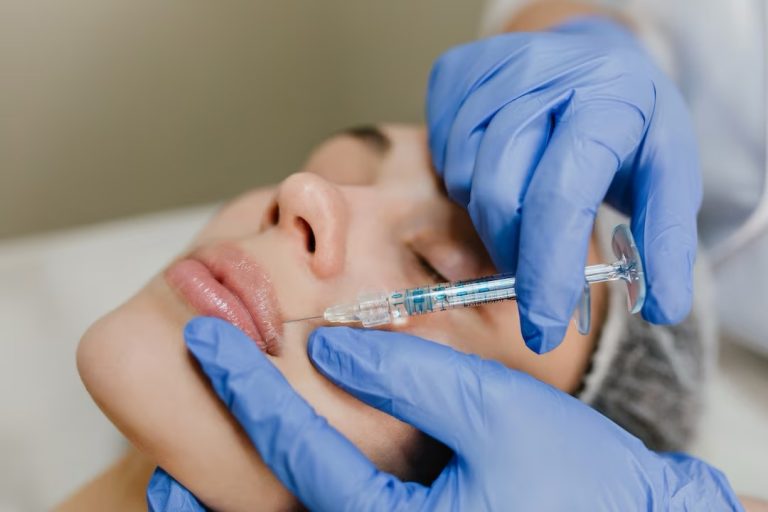
Considered care
Why I'll turn you away — six things that mean it's not the right time for filler
A clinic that says no, when no is the right answer. These are the situations where I'll suggest we wait, or that the right answer isn't filler at all.

Skin
Profhilo vs Nucleofill vs Seventy Hyal — which skin booster is right for you?
Three of the most-asked-for injectables in London, side by side. How each works, where it shines, what they cost, and which I'd choose at different starting points.
From the clinic
Considering a consultation?
Thirty minutes, complimentary, at Knightsbridge or Harley Street. We listen first, recommend honestly, and only suggest treatment when it's right for you.