Considered care · 5 min read
Why I'll turn you away — six things that mean it's not the right time for filler
A clinic that says no, when no is the right answer. These are the situations where I'll suggest we wait, or that the right answer isn't filler at all.
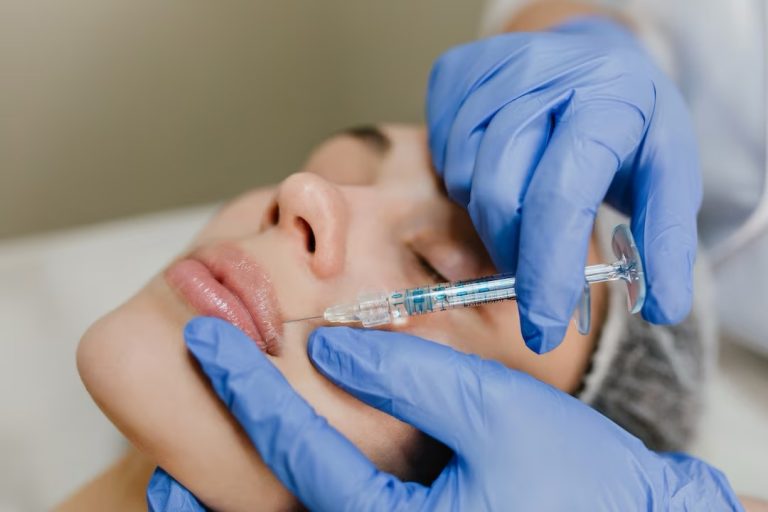
Most aesthetics clinics tell you what they’ll do for you. I’d like to talk about the opposite: when I won’t do something, and why.
Saying no is not a marketing strategy. It costs the clinic money. It often disappoints the person who has booked the appointment in good faith. But over fifteen years, I’ve come to understand that the consultations where I gently turn someone away are the ones I’m proudest of. The clients I see again, years later, are nearly always grateful I did.
These are the six conversations that, more often than not, end in a polite no.
1. A recent major life event
The end of a relationship. A bereavement. A redundancy. A child leaving home. Anyone who has lived through these knows that they reshape how you see your own face — not always for the worse, but always temporarily.
If you’ve come in within a month or two of a significant life event and you’re asking for a “fresh start” change to your face, I’ll usually suggest waiting six weeks. Sometimes longer. The face you’ll see in a month or two is not the face you’re seeing today. Filler is permanent in the sense that it sits in your face for nine to eighteen months, and you don’t want decisions made in week three of grief to be the ones you live with in week sixty.
I’ll often offer a free re-consultation after the wait. Most of the time, what they wanted has shifted — sometimes to nothing.
2. Body dysmorphic concerns
I am not a psychologist. I cannot diagnose. But I have sat with enough clients over the years to recognise certain patterns: an inability to be satisfied with previous results, a focus on a particular feature out of proportion with its appearance, a sense of urgency that doesn’t match the situation, comparison with very specific images repeatedly.
When I see those patterns, I will say so, gently. Sometimes the conversation ends with the client agreeing to speak to their GP or a therapist before considering further work. Sometimes they’re angry. Either way, I won’t proceed. Doing so causes more harm than refusing does.
3. The wedding-in-three-weeks panic
This is more common than you’d expect. The wedding is three weeks away. The dress fitting brought up something. They’ve found us through Google and the consultation is tomorrow.
I will not do injectable work three weeks before a major event. Not lip filler, not non-surgical rhinoplasty, not tear-trough. The timing simply doesn’t work. Most filler peaks at two weeks for swelling and integration — you cannot count on every face responding the way the average face does. And the things that occasionally go wrong (lump, asymmetry, bruise that won’t shift) take longer than three weeks to resolve.
The conversation I have here is: “I would absolutely love to help you, and the way to do that is to plan injectable work eight to twelve weeks before the wedding, not three. Let’s talk about what we can do today that will help safely — skincare, lash extensions, a single session of Seventy Hyal — and book the more substantive work for the next event in your calendar.”
The best clinics aren’t the ones that say yes the loudest. They’re the ones who know when no is the kind answer.
4. The unrealistic celebrity request
“I want her lips.” “I want this woman’s jawline.” A specific image, often shown to me on a phone.
I will look at the image carefully. I will look at your face. And I will tell you honestly what is possible. If what you’re showing me is achievable on your face with a single millilitre of filler, we’ll talk. If what you’re showing me would require multiple procedures across many sessions — and likely a different bone structure to begin with — I will say so.
What I won’t do is start working towards the image and hope you forget the original request along the way. That is how regret gets built, one session at a time. We agree on what’s realistic at the start, or we don’t proceed.
5. Pregnancy, breastfeeding, or planning to be either
There’s no good safety data for injectable filler or anti-wrinkle treatment in pregnancy or breastfeeding. There isn’t because it would be unethical to run the studies. The absence of data is not the same as a green light.
If you are pregnant, breastfeeding, or actively trying to conceive, I won’t inject. This includes the “just lip filler” request. We will instead talk about what you can safely do — skincare, hydration, gentle topical work — and we’ll plan injectable work for after you’ve finished feeding.
This isn’t excessive caution. It’s the standard of care across reputable UK clinics, and any practitioner who tells you it’s fine has different priorities to mine.
6. Active inflammation, infection, or undiagnosed illness
If you have an active cold sore (or recent history of frequent ones) and you’re asking for lip filler, we’ll either pre-treat with antivirals for a week or reschedule. If you have an active sinus infection, dental abscess, or undiagnosed lump, we don’t inject. If you’ve just had dental work and we want to inject in or near the lower face, we wait at least two weeks.
The body’s immune system gets confused by simultaneous insults. The result is often a delayed inflammatory response to perfectly normal filler — sometimes weeks later — that takes months to resolve. The pause is worth it.
What we’d rather say
These conversations are sometimes uncomfortable. I’d much rather say yes. I’d rather make the booking, do good work, and watch you leave looking pleased. The clinic would rather do the same.
But every “yes I shouldn’t have given” leaves a longer shadow than ten well-judged “no, but here’s what we can do instead”. We see it in the people who come to us later — not always at our clinic; aesthetics is a small world — to dissolve and re-do work that should never have happened in the first place.
If you book in with us and we suggest we wait, or that what you’re asking for isn’t quite right for you, please believe me that it isn’t a rejection of you. It’s the most respectful answer we know how to give.
Considering treatment? Our consultations are complimentary and there’s no obligation. We’d rather have an honest conversation than rush a decision. Book a consultation or get in touch.
Mentioned in this article
Related treatments

Keep reading
Considered care
What to ask before your first injectable appointment — anywhere
Twelve questions to take to any consultation, with an explanation of why each one matters and what you should be listening for in the answer.
Skin
Profhilo vs Nucleofill vs Seventy Hyal — which skin booster is right for you?
Three of the most-asked-for injectables in London, side by side. How each works, where it shines, what they cost, and which I'd choose at different starting points.
From the clinic
Considering a consultation?
Thirty minutes, complimentary, at Knightsbridge or Harley Street. We listen first, recommend honestly, and only suggest treatment when it's right for you.